

How Long Does a Roof Last in Texas? Lifespan by Material
August 24, 2026
•
Written By
RoofUs Roofing
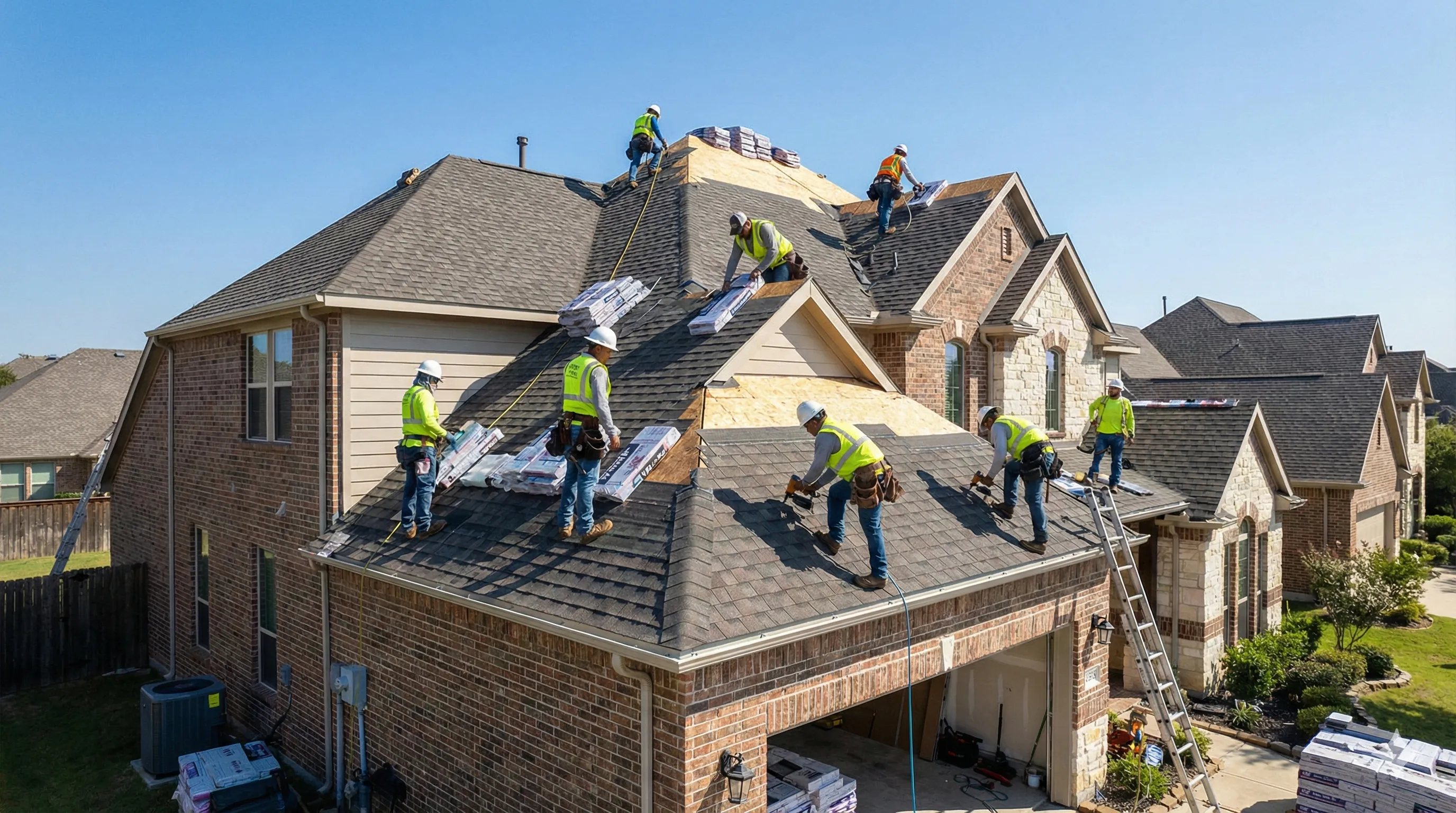
A roof in Texas typically lasts 12 to 30 years, depending mostly on the material. Asphalt shingles, by far the most common choice around DFW, usually last 12 to 20 years here, while metal and tile can last decades longer. The catch is that Texas heat, sun, and hail shorten nearly every roof's life compared to the national average.
If you're wondering whether your roof is nearing the end of its run, the material is the biggest factor, but where you live matters almost as much. Here's a realistic look at how long each roofing material lasts in the North Texas climate, and how to tell when yours is due for attention.
How long does an asphalt shingle roof last?
Asphalt shingles last 12 to 20 years in Texas, which is noticeably shorter than the 20-to-30-year national average.
The specific type makes a big difference:
- 3-tab shingles: about 15–18 years in Texas (the shortest-lived, most budget-friendly option)
- Architectural (dimensional) shingles: roughly 20–25 years, with premium versions reaching close to 30 with good maintenance
- Class 4 impact-resistant shingles: around 20–30 years, and they stand up far better to hail
For most homeowners in Grapevine and Southlake, architectural or impact-resistant shingles hit the sweet spot of cost, durability, and hail resistance, which matters a lot in this part of Texas.
How long do metal and tile roofs last?
Metal and tile roofs last far longer than asphalt, often two to four times as long.
- Metal roofs: 40 to 70+ years when properly installed. Stone-coated steel and standing-seam systems shrug off heat and hail better than almost anything else, and they need less maintenance over their lifetime.
- Tile roofs (clay or concrete): 50 years and up, sometimes exceeding a century. They're heavy and cost more up front, but their longevity is unmatched.
These materials carry a higher initial price, but their cost-per-year can actually beat asphalt over the long haul, especially in a climate as hard on roofs as North Texas. If you're planning to stay in your home for decades, they're worth considering.
Why do roofs wear out faster in Texas?
Texas roofs take a beating that roofs in milder climates never see. Expect roughly 15–25% less life out of most materials here than the manufacturer's national rating.
Three forces do most of the damage:
- UV and heat. Year-round intense sun dries out asphalt shingles, making them brittle and accelerating granule loss. Relentless heat cycles cause shingles to crack and curl years earlier than they would up north.
- Hail. DFW sits in the nation's busiest hail corridor. Even hail that doesn't require an immediate repair chips away at a roof's protective granules and shortens its life.
- Wind. Severe storms lift and loosen shingles, breaking the seals that keep water out.
So a 25-year architectural shingle rated for the average U.S. climate typically delivers closer to 18–25 years in Texas. It's not that the shingles are worse here, it's that the weather asks more of them.
What are the signs your roof is near the end of its life?
Age is the headline, but your roof will usually tell you when it's wearing out. Watch for:
- Bald spots and granule loss. Bare patches on shingles or granules collecting in your gutters signal the protective layer is gone.
- Curling, cracking, or missing shingles. Shingles that curl at the edges or crack across the middle have lost their flexibility.
- Leaks or water stains. Stains on ceilings or in the attic mean water is already getting through.
- Daylight in the attic. If you can see light through the roof boards, you can bet water is getting in too.
- A sagging roofline. Sagging can point to trapped moisture and structural trouble that needs prompt attention.
If your roof is showing several of these signs, or you simply don't know how old it is, a professional roof inspection will tell you whether you have years left, need targeted repairs, or should start planning a roof replacement.
How can you make your roof last longer?
You can't change the Texas weather, but you can squeeze more years out of your roof with a few habits:
- Get regular inspections, especially after major storms, so small problems get caught early.
- Keep gutters clean so water drains properly instead of backing up under shingles.
- Address damage promptly: a single lifted or cracked shingle can turn into a leak.
- Choose the right material for the climate. In hail-prone DFW, Class 4 impact-resistant shingles often pay for themselves in longevity and, frequently, an insurance discount.
Quality roof installation matters just as much as material. Even the best shingles fail early if they're installed poorly, which is why choosing an experienced local roofer is one of the most important decisions you'll make for your home.
Frequently asked questions
How long does a roof last in Texas on average?
Most asphalt shingle roofs in Texas last 12–20 years, with architectural shingles reaching 20–25. Metal roofs last 40–70+ years and tile 50 or more. Texas heat and hail typically cut 15–25% off national lifespan ratings.
Does a roof last longer in Texas if it's a lighter color?
Lighter, reflective shingles can run a little cooler and may age slightly slower under intense UV, but the difference is modest. Material quality, installation, and storm exposure matter far more than color.
How do I know how old my roof is?
Check your closing documents or any permit records if you bought the home, or ask a roofer, an experienced inspector can estimate a roof's age and remaining life from its condition.
Is it worth replacing a roof before it fails completely?
Often, yes. Replacing a roof on your schedule, before leaks damage the interior, usually costs less overall and avoids emergency repairs. An inspection helps you time it right.
Do impact-resistant shingles really last longer in Texas?
Yes. Class 4 impact-resistant shingles handle hail far better than standard shingles, which helps them last 20–30 years in Texas and can qualify you for a homeowners insurance discount.
Not sure how much life your roof has left?
The only way to know for certain is to have it looked at. Call RoofUs Roofing at (214) 509-8093 or schedule your free roof inspection today, and we'll give you an honest assessment of where your roof stands.
Recent Articles
Residential Gutters
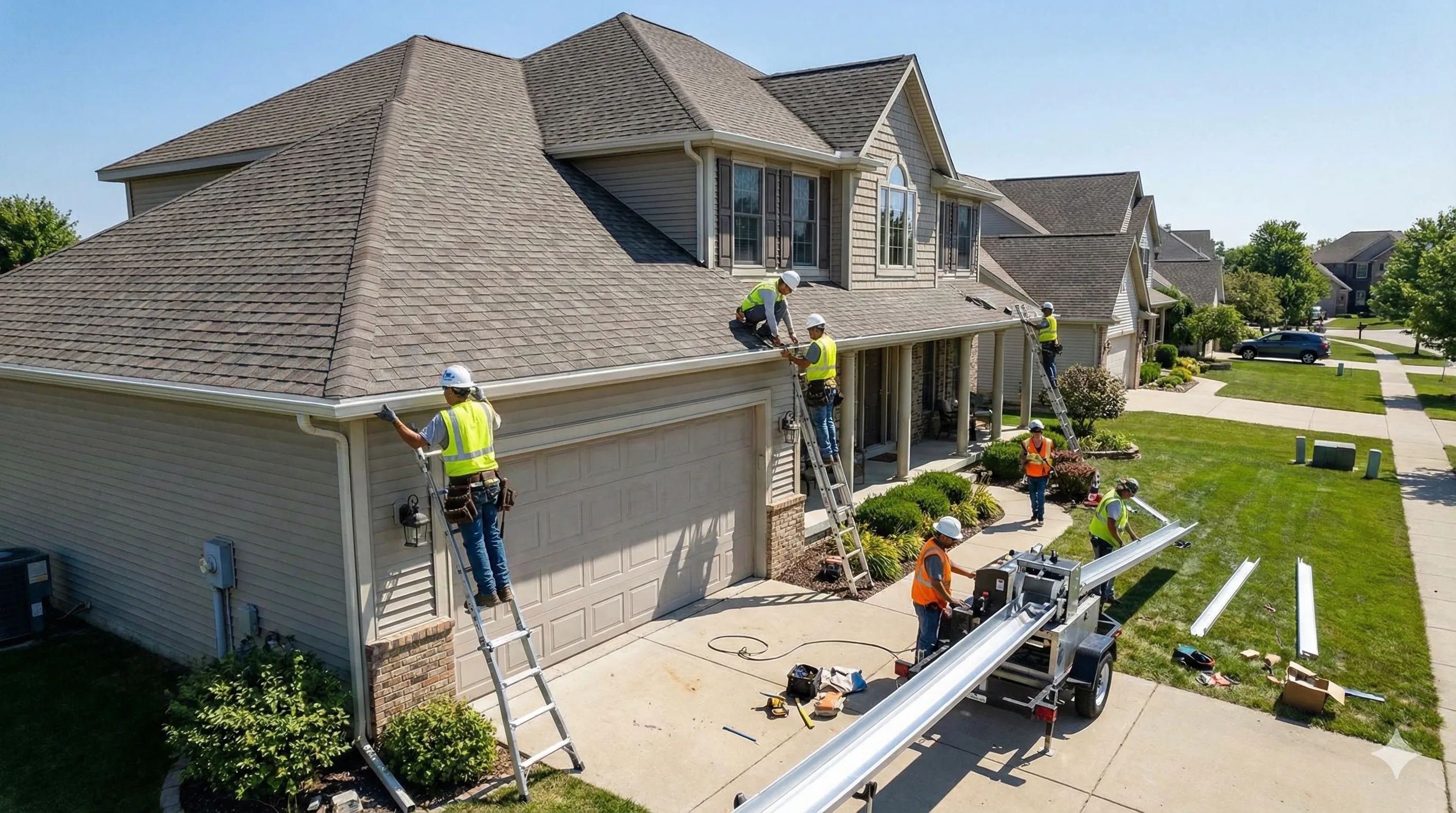
How Much Does Gutter Installation Cost in DFW?
How much does gutter installation cost in Dallas-Fort Worth? 2026 price ranges by material and length, what drives the cost, and where you can save.
September 30, 2026
Residential Roofing
Are Class 4 Impact-Resistant Shingles Worth It in DFW?
Are Class 4 impact-resistant shingles worth it in North Texas? How they hold up to hail, what they cost, and how they can lower your homeowners insurance premium.
September 23, 2026
Residential Roofing
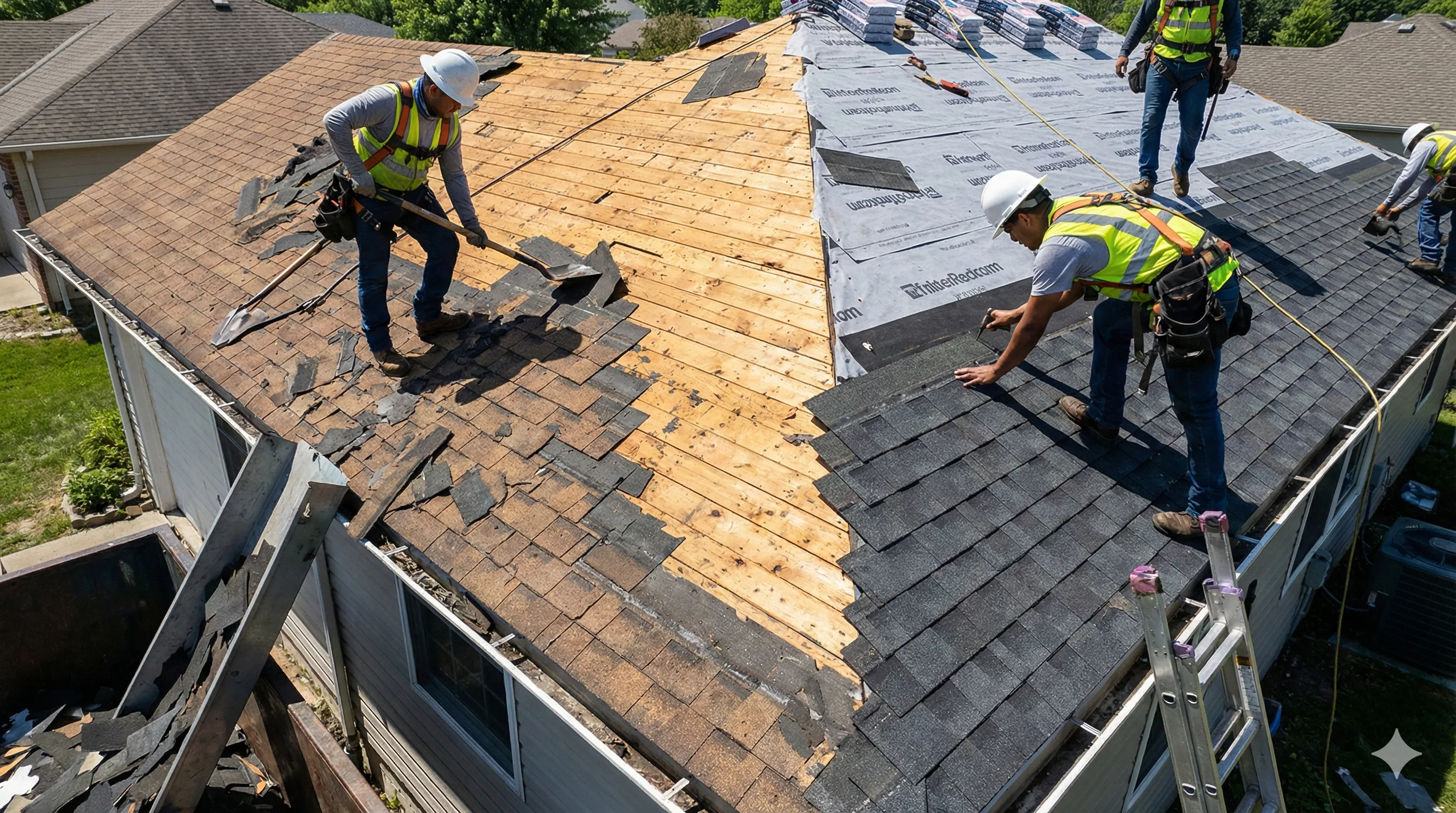
How Much Does a New Roof Cost in DFW? (2026 Guide)
What a new roof costs in Dallas-Fort Worth in 2026: price ranges by material, the factors that drive cost, and financing options for your replacement.
August 24, 2026
Residential Roofing
How Long Does a Roof Last in Texas? Lifespan by Material
How long roofs last in Texas by material: asphalt, metal, and tile lifespans, why DFW heat and hail shorten them, and signs your roof is near the end.
August 24, 2026