

Hail Damage Roof Repair: A DFW Homeowner's Guide
August 24, 2026
•
Written By
RoofUs Roofing
.webp)
After a hailstorm, the smartest first move is a professional roof inspection, not a wait-and-see. Hail damage is often invisible from the ground, and by the time you notice a leak inside, small problems have usually become expensive ones. This guide covers how to recognize hail damage, when a repair makes sense versus a full replacement, and what to do after a North Texas storm.
If you live anywhere around Grapevine, Southlake, or the wider DFW metroplex, hail isn't a rare event. It's a seasonal reality. Texas recorded 878 major hail events in 2024, the most of any state for the eleventh straight year. Knowing what to look for, and acting quickly, is how you protect both your home and your wallet.
What are the signs of hail damage on a roof?
Hail damage shows up as bruised or cracked shingles, granule loss, and dents on the softer metal parts of your roof. Some of these signs are easy to spot; others take a trained eye.
Here's what to look for after a storm:
- Bruised or soft shingles. Hail knocks the protective granules off asphalt shingles and leaves soft "bruises" that feel spongy underfoot. These weak spots let in water and UV, and they get worse fast.
- Granule loss. Check your gutters and downspouts. A pile of shingle granules that looks like coarse black sand is one of the clearest signs your roof took a hit.
- Dents in soft metals. Look at gutters, downspouts, vent caps, and flashing. Because these metals dent easily, they often reveal hail impact even when the shingles look okay from the driveway.
- Cracked or lifted shingles. Hail and wind can crack shingles or break the adhesive seal, causing edges to curl and lift.
- Interior water stains. Stains on ceilings, walls, or in the attic mean water is already getting in, a sign the damage has gone unaddressed.
Many of these issues are difficult or impossible to see from the ground, which is exactly why a professional inspection matters after any significant storm.
Should you repair or replace a hail-damaged roof?
The general rule roofers use is the 50% rule: if the cost of professional roof repairs exceeds about half the cost of a new roof, replacement is usually the smarter investment.
Repair tends to make sense when:
- The damage is minor and isolated to one area or slope
- Your roof is relatively new and otherwise in good shape
- Matching shingles are still available
Replacement is usually the better call when:
- Bruising and granule loss are widespread across multiple slopes
- The roof is already aging or near the end of its lifespan
- Repairs would leave you with mismatched, patchwork sections
In the DFW area there's an added wrinkle: if hail damage is covered by insurance and the shingles can't be matched or the roof can't be brought up to current code, insurers will often pay for a full replacement even when the visible damage looks partial. A thorough inspection and clear documentation are what make that case.
What should you do right after a hailstorm?
Move quickly and methodically. The first days after a storm matter for both your roof and any insurance claim.
- Stay safe and check from the ground. Look for obvious signs: shingle debris in the yard, dented gutters, granules washing out of downspouts. Don't climb up yourself.
- Document everything. Photograph the roof, gutters, and siding, and note the date of the storm. Good documentation protects you later.
- Schedule a professional inspection. A licensed local roofer can safely assess bruising, granule loss, and hidden damage, and give you an honest read on whether you have a repair, a replacement, or nothing to worry about.
- Address it before it spreads. Even minor hail damage weakens shingles and accelerates leaks and UV breakdown. Handling it early is almost always cheaper than waiting.
Waiting for a leak to appear is the most expensive way to find out you had hail damage. By then, water may have reached the decking, insulation, or ceilings. If a storm has already left your roof exposed, our emergency and storm services can protect it fast while you plan the repair.
Why does hail hit DFW roofs so hard?
North Texas sits squarely in the most active hail corridor in the country, and the numbers back it up. Texas led the nation in State Farm hail claims in 2025, roughly 95,200 claims paid at an average of about $15,000 each, totaling near $1.4 billion. The June 2023 DFW outbreak alone caused an estimated $7–10 billion in insured losses.
For homeowners in Grapevine, Dallas, and the surrounding Mid-Cities, that means two things. Roof damage from hail is common and often covered by insurance, but carriers have also tightened their rules, with more percentage-based wind/hail deductibles and stricter scoping of older roofs. A fast, well-documented inspection right after a storm is your best protection on both fronts.
The good news: because roof work is so common here, DFW has a large, competitive roofing industry, which generally means fair pricing and plenty of qualified local contractors to choose from.
How do you choose a roofer for hail damage repair?
Your contractor is the one documenting the damage and standing behind the work, so choose carefully.
- Local and licensed. A roofer based in North Texas understands regional hail patterns, local codes, and how area adjusters scope damage. At RoofUs Roofing, we're your neighbors, based right here in Grapevine and serving homeowners across DFW.
- Honest about the repair-versus-replace call. A trustworthy roofer will tell you plainly when a repair is enough and when it isn't, instead of upselling a replacement you don't need.
- Thorough documentation. We use drone and hands-on inspections to capture every bit of storm damage clearly, essential whether you're paying out of pocket or filing an insurance claim.
- No red flags. Steer clear of any contractor who guarantees insurance approval or offers to "cover your deductible." That's illegal in Texas.
Whether the answer ends up being a targeted repair or a full replacement, working with a team that inspects honestly and documents thoroughly takes the guesswork out of it.
Frequently asked questions
How do I know if my roof has hail damage if I can't see anything wrong?
Much hail damage is invisible from the ground. Bruised shingles and granule loss are easy to miss. The only reliable way to know is a professional inspection, where a roofer can safely check the shingles, flashing, and soft metals up close.
How long after a hailstorm can I still repair the damage?
You can repair hail damage at any time, but sooner is always better. Weakened shingles keep deteriorating, and if you plan to file an insurance claim, most carriers want it reported within about 30 days of the storm.
Is hail damage roof repair covered by insurance in Texas?
Usually, yes. Most homeowners policies cover sudden storm damage, including hail. Whether you get a repair or a full replacement depends on the extent of the damage, your policy, and your deductible.
Can small hail dents really cause problems?
Yes. Even minor bruising strips away the protective granules that shield shingles from water and sun, which shortens the roof's life and invites leaks over time.
Should I get my roof inspected if my neighbors are getting new roofs?
Absolutely. Hail is highly localized, so if homes on your street took damage, yours likely did too. A quick inspection tells you where you stand before the claim window closes.
Think your roof took a hit?
Don't wait for a leak to confirm it. Call RoofUs Roofing at (214) 509-8093 or schedule your free hail damage inspection today, and we'll give you an honest, thorough assessment of your roof.
Recent Articles
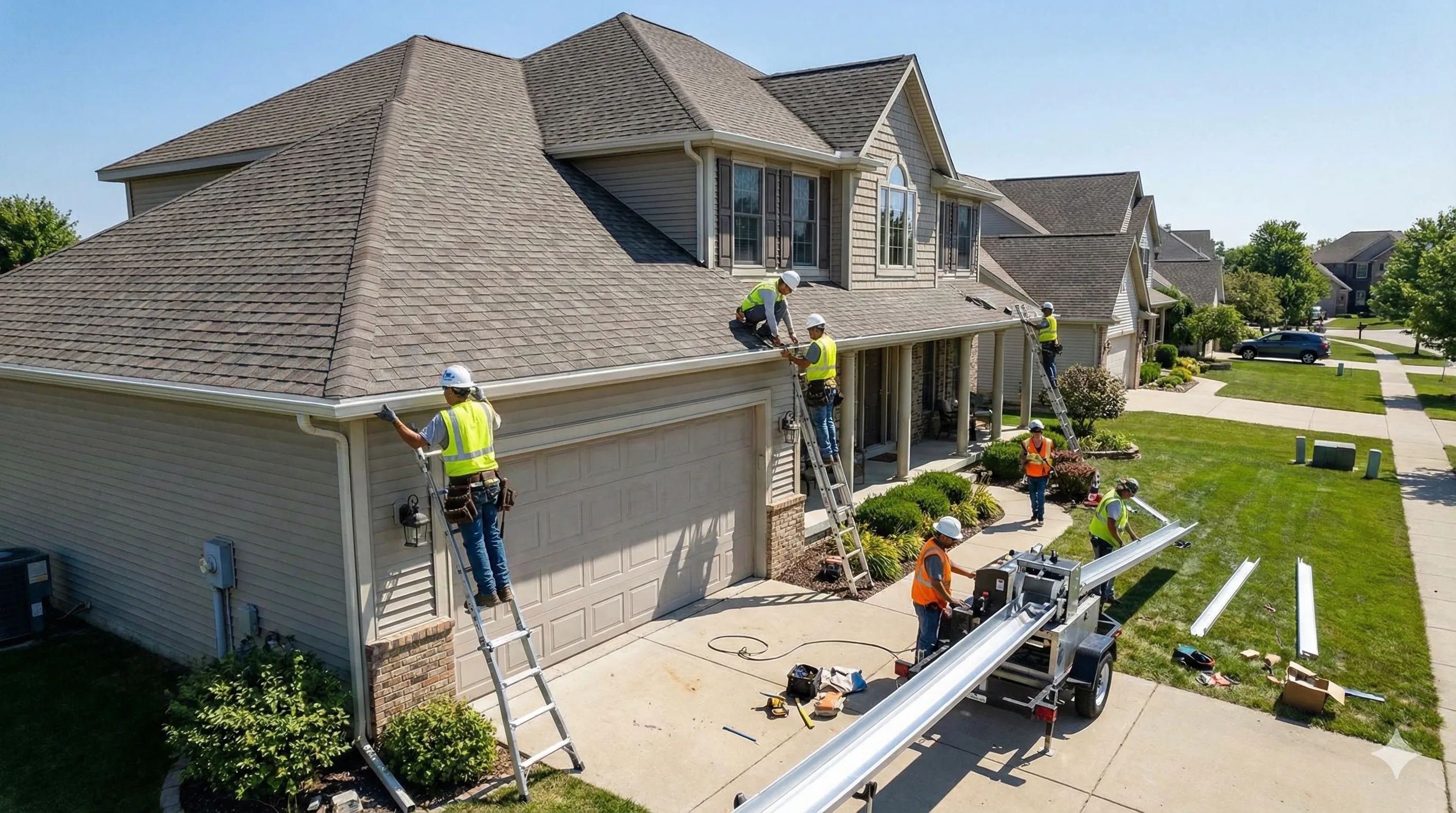
Residential Gutters
How Much Does Gutter Installation Cost in DFW?
How much does gutter installation cost in Dallas-Fort Worth? 2026 price ranges by material and length, what drives the cost, and where you can save.
September 30, 2026
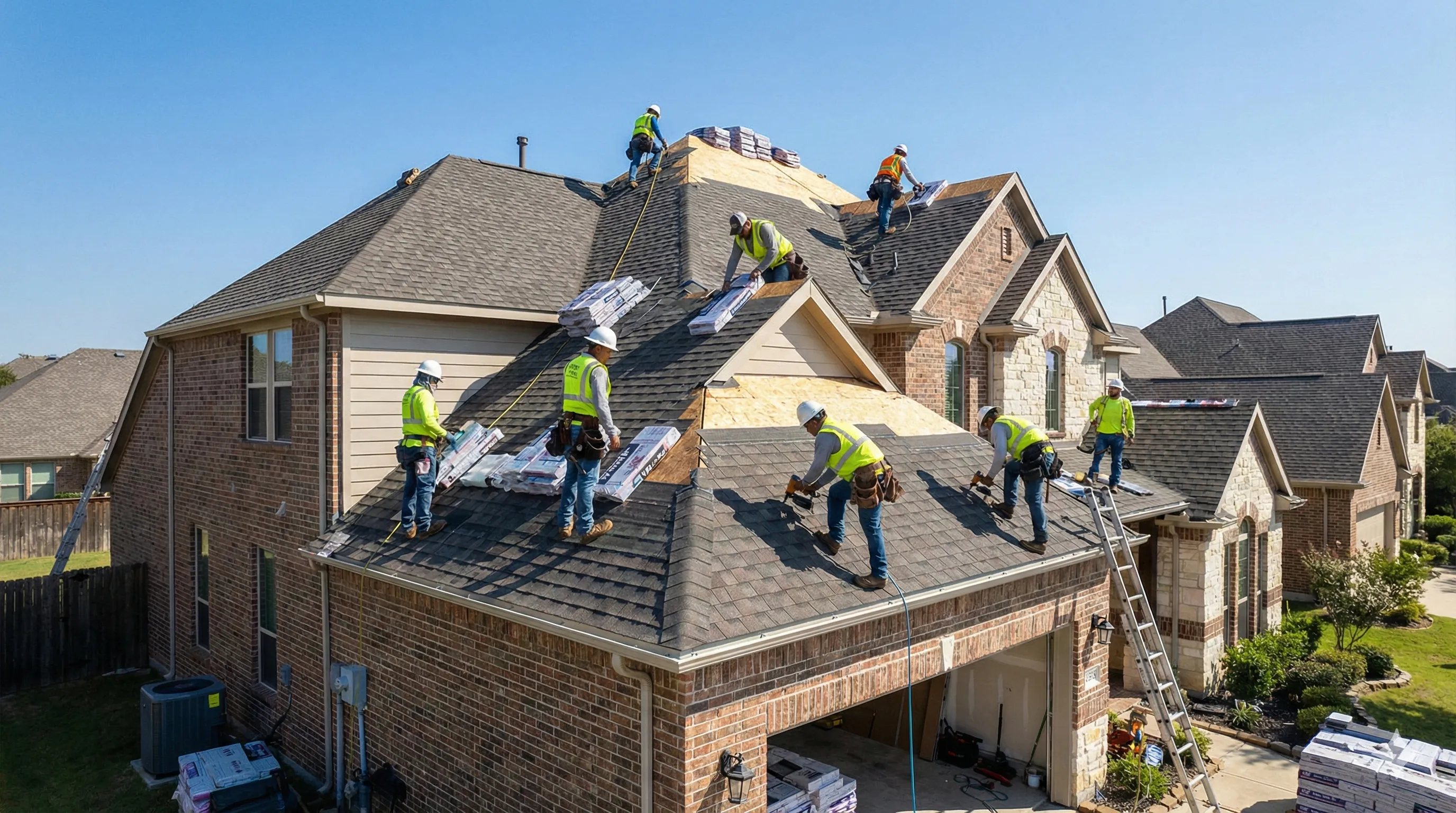
Residential Roofing
Are Class 4 Impact-Resistant Shingles Worth It in DFW?
Are Class 4 impact-resistant shingles worth it in North Texas? How they hold up to hail, what they cost, and how they can lower your homeowners insurance premium.
September 23, 2026
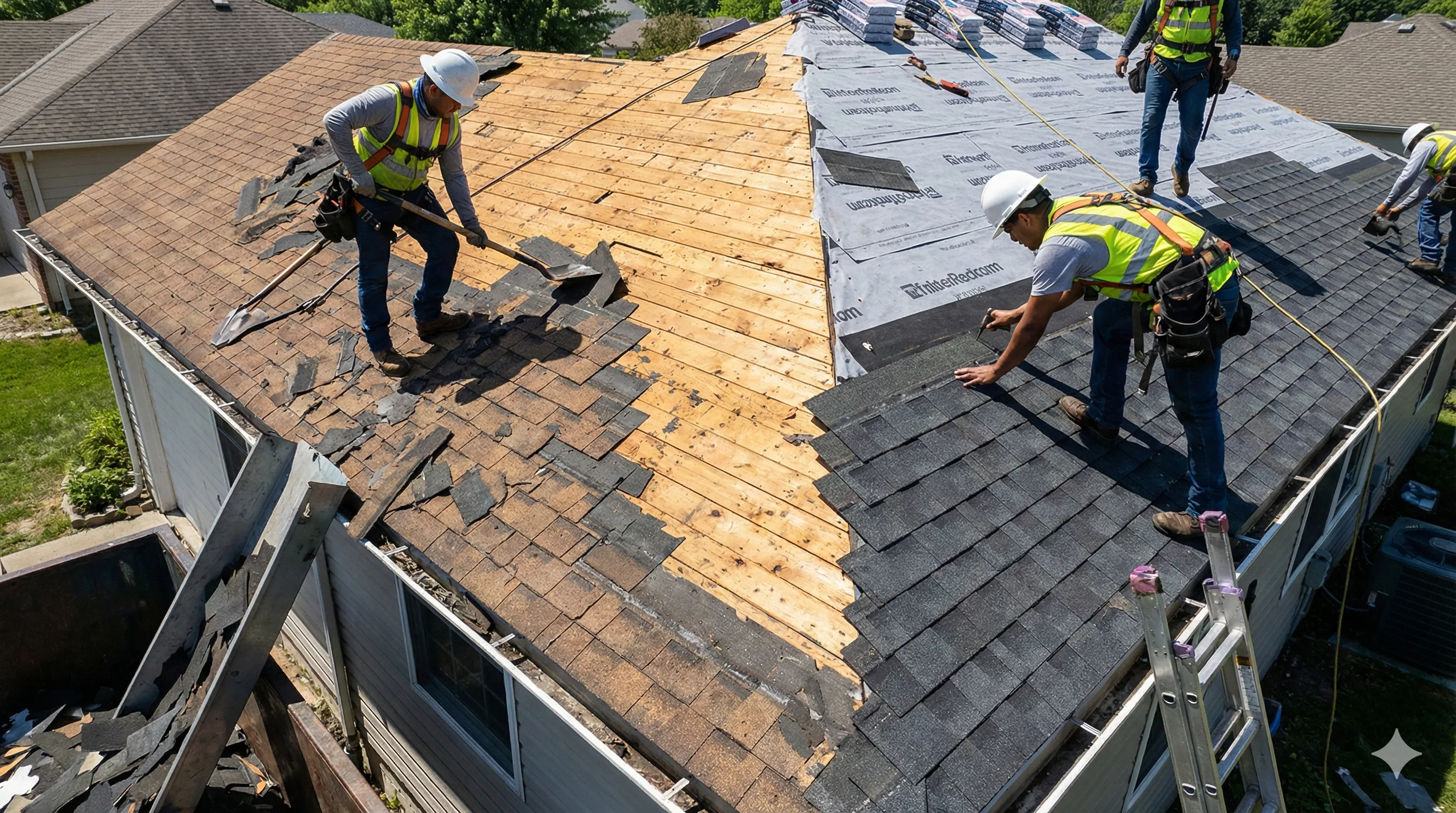
Residential Roofing
How Much Does a New Roof Cost in DFW? (2026 Guide)
What a new roof costs in Dallas-Fort Worth in 2026: price ranges by material, the factors that drive cost, and financing options for your replacement.
August 24, 2026
Residential Roofing
How Long Does a Roof Last in Texas? Lifespan by Material
How long roofs last in Texas by material: asphalt, metal, and tile lifespans, why DFW heat and hail shorten them, and signs your roof is near the end.
August 24, 2026